
What Homes Will Look Like When AI Designs the Floor Plan
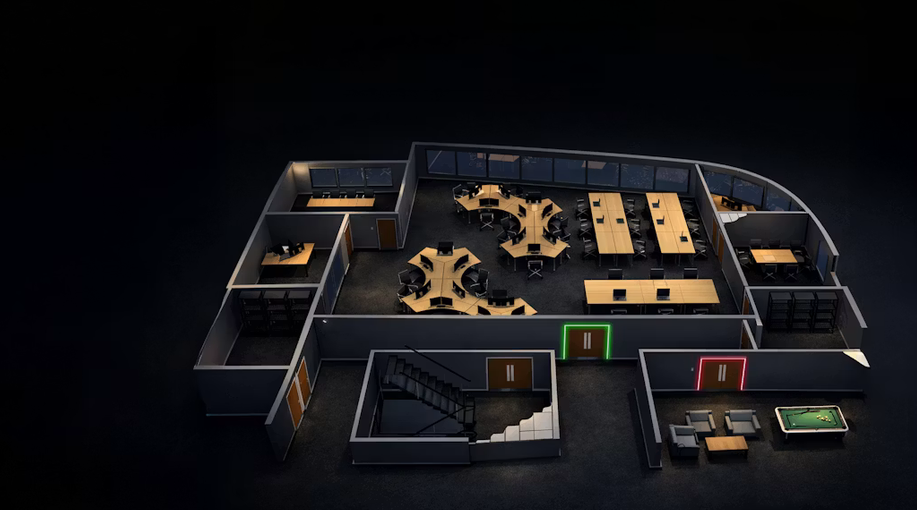
The way we design homes has evolved dramatically over the years, from hand-drawn blueprints to sophisticated 3D modeling software. Now, artificial intelligence is taking things a step further by helping architects, builders, and homeowners create floor plans that are smarter, faster, and more personalized than ever before. Instead of relying solely on traditional design methods, AI can analyze countless possibilities in seconds, suggesting layouts that maximize comfort, functionality, and efficiency. While human creativity will always play an important role, AI is quickly becoming a powerful design partner that could redefine what future homes look like.
Smarter Spaces Designed Around Daily Life
One of the biggest advantages of AI-generated floor plans is their ability to understand how people actually live. Instead of creating generic layouts, AI can analyze lifestyle preferences, family size, work habits, and entertainment needs to produce designs that feel tailored to the homeowner. A family with young children may receive recommendations for open common areas with nearby bedrooms, while someone working remotely could see layouts that prioritize quiet office space. This personalized approach creates homes that fit everyday routines rather than forcing people to adapt to the design.
Every Square Foot Will Have a Purpose
Future homes are likely to become far more efficient because AI can identify wasted space that humans might overlook. Long hallways, awkward corners, or oversized rooms may become less common as algorithms optimize every inch of the floor plan. Storage solutions could be built into unused spaces, while multi-functional rooms become standard features. The result is a home that feels larger and more practical without necessarily increasing its overall footprint, making better use of available space and potentially lowering construction costs.
Sustainability Will Be Built Into the Design
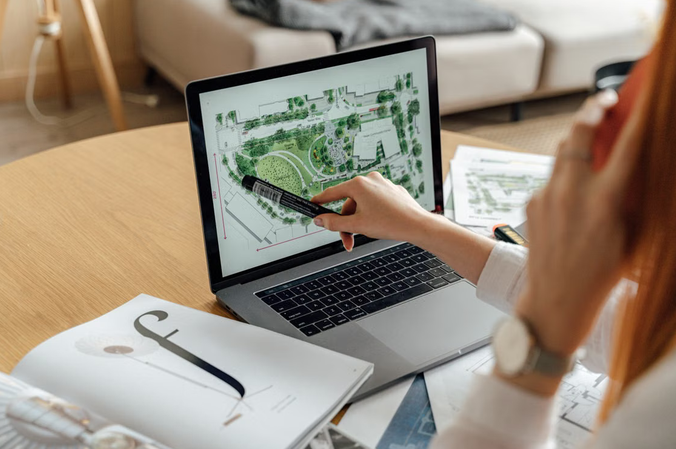
Environmental considerations are becoming increasingly important, and AI has the potential to make sustainable home design much easier. By analyzing sunlight, wind patterns, local climate, and energy usage, AI can recommend layouts that naturally improve heating, cooling, and lighting efficiency. Rooms may be positioned to maximize daylight, reducing electricity use during the day, while window placement can help regulate indoor temperatures throughout the year. These intelligent decisions can reduce long-term energy costs while supporting environmentally responsible construction.
Flexible Layouts for Changing Lifestyles
Modern life changes quickly, and homes are beginning to reflect that reality. AI-designed floor plans may focus on flexibility, creating spaces that can evolve as families and lifestyles change. A guest room could easily become a nursery, a home office, or a fitness room without requiring major renovations. Sliding walls, modular furniture, and adaptable living areas may become more common as AI anticipates future needs rather than designing only for the present. This flexibility helps homeowners get more value from their homes over time.
Faster Design With Better Collaboration
Traditional home design can take weeks or even months as architects revise plans based on client feedback. AI can dramatically speed up this process by generating multiple floor plan options in minutes. Homeowners can compare layouts, request changes, and immediately see updated designs without lengthy delays. Architects remain essential because they bring creativity, technical expertise, and a deep understanding of client needs. Still, AI allows them to spend less time on repetitive tasks and more time refining the final vision.
The Human Touch Will Still Matter
Although AI offers remarkable capabilities, it is unlikely to replace architects and designers entirely. Homes are deeply personal spaces that reflect emotions, traditions, and individual tastes—qualities that algorithms cannot fully understand on their own. Human professionals will continue to make the final decisions, balancing AI-generated recommendations with creativity, cultural influences, and practical experience. The most successful homes of the future will likely result from collaboration between intelligent technology and skilled designers rather than one replacing the other.
Artificial intelligence is poised to transform home design by making floor plans more personalized, efficient, sustainable, and adaptable. As technology continues to improve, homeowners will have access to smarter design tools that create living spaces tailored to their unique lifestyles while maximizing every square foot. Even as AI takes on a larger role in the planning process, the human element will remain essential in shaping homes that are not only functional but also warm, welcoming, and full of character. The future of residential design isn’t about choosing between humans and AI—it’s about combining the strengths of both to build better homes for everyone.…